
In today’s fast-paced world, where convenience and sustainability are paramount, insulated stainless steel water bottles have become a must-have item for many. As a water bottle buyer or an individual seller looking to purchase these stainless steel bottles in bulk, you’re likely aware of their growing popularity. But have you ever wondered how these bottles are able to keep drinks hot or cold for extended periods? The answer lies in their unique insulation technology. In this article, we’ll uncover the secrets behind the manufacturing process of stainless steel vacuum insulated water bottles, exploring the science and technology that make them so effective. By understanding how these stainless steel water bottles are insulated, you’ll be equipped with the knowledge to make an informed decision for your next bulk purchase. So, let’s dive in!
1. What makes stainless steel special for water jugs?
Water bottles are manufactured using a variety of materials, each with its own set of advantages and disadvantages. Common materials include plastic, glass, aluminum, and stainless steel. While plastic water bottles are lightweight and affordable, they can leach chemicals into the water and have a relatively short lifespan. Glass water bottles, on the other hand, are durable and non-reactive but can be heavy and prone to breakage. Aluminum drink bottles are lightweight and have good temperature retention properties, but they may not be as durable as other materials. This is where stainless steel stands out as a unique and exceptional material for water bottles.
Firstly, stainless steel is known for its exceptional durability. This alloy, typically composed of iron, chromium, nickel, and sometimes other elements, is highly resistant to corrosion, rust, and staining. This means that a stainless steel water bottle can withstand daily wear and tear, including exposure to moisture and varying temperatures, without deteriorating. A study conducted by the International Stainless Steel Forum found that stainless steel has a lifespan of over 100 years, which is significantly longer than many other materials used in water bottles.
Secondly, stainless steel is a non-reactive material. This means that it won’t interact with the contents of the drink bottle, preserving the taste and freshness of your beverages. Plastic water bottles, on the other hand, can sometimes leach chemicals into the water, altering its taste and potentially posing health risks. In contrast, stainless steel bottles are often certified as BPA-free, ensuring that your drinks remain pure and safe for consumption.
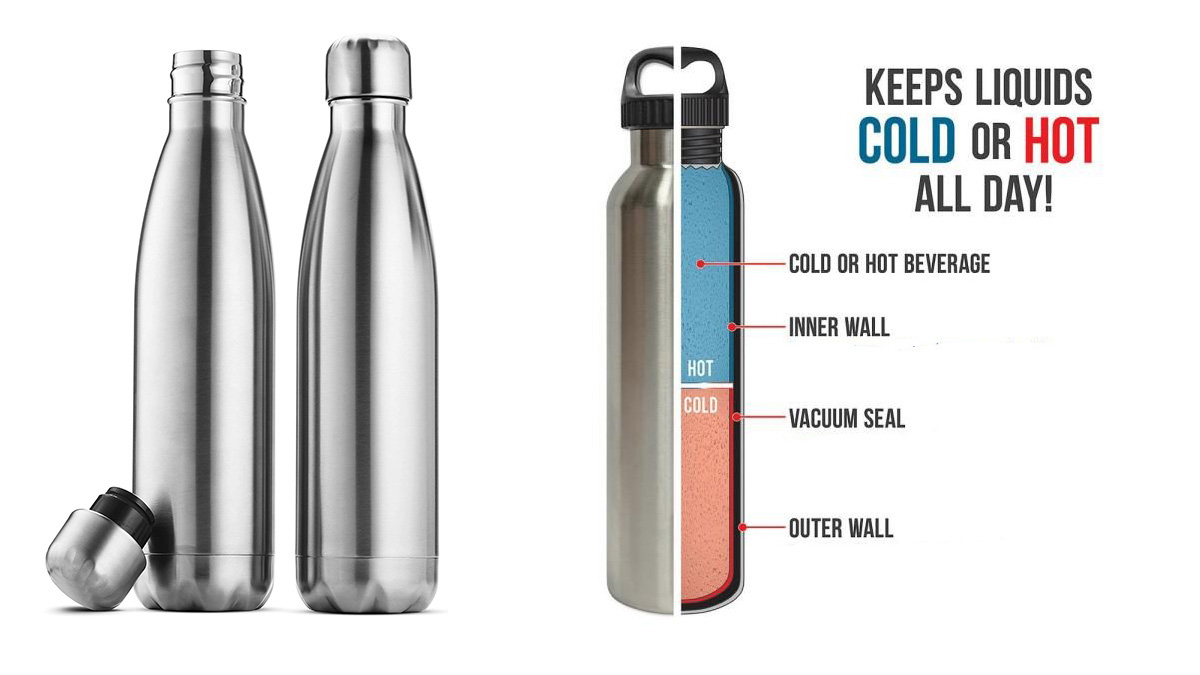
Moreover, stainless steel has excellent temperature retention properties. This is particularly crucial for insulated water bottles, as they are designed to keep drinks hot or cold for extended periods. The vacuum insulation technology used in these bottles creates an airless space between the inner and outer walls of the steel, minimizing heat transfer and maintaining the desired temperature of the beverage.
In addition to its functional benefits, stainless steel is also an environmentally friendly material. It is fully recyclable and has a much lower carbon footprint compared to plastic. According to a report by the Recycling Association, the recycling rate of stainless steel is around 80%, while plastic recycling rates are significantly lower. Choosing stainless steel water bottles can therefore contribute to reducing plastic waste and promoting sustainability.
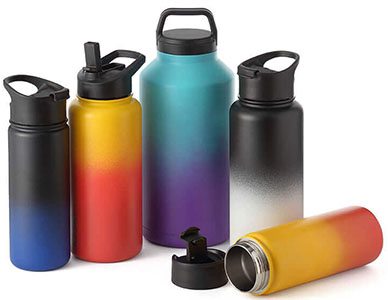
Lastly, stainless steel water bottles offer a sleek and modern aesthetic. They are available in various sizes, designs, and colors, making them suitable for different preferences and occasions. Their elegant appearance, combined with their practical features, makes stainless steel water jugs a popular choice among consumers.
2. What are insulated water bottles?
Insulated water bottles, also known as vacuum-insulated water bottles or thermal bottles, are designed to maintain the temperature of the contents, whether hot or cold, for an extended period. They achieve this through the use of advanced insulation technologies, primarily vacuum insulation, which significantly reduces heat transfer. Here’s a detailed look at insulated water bottles, including their features, benefits, and some supporting data.
Insulated water bottles are usually constructed with an insulating layer, always a vacuum layer, between the inner and outer walls. This layer effectively blocks heat transfer, allowing the bottle to keep beverages hot or cold for hours. These water jugs are often made of stainless steel, which combines durability, non-reactivity, and aesthetic appeal.
3. How do insulted water jugs retain temperature?
Insulated water bottles are designed to retain the temperature of the beverage inside for extended periods. They achieve this through a combination of integral parts working together effectively.
- Outer Layer: The outer layer or external wall of the insulated water bottle is typically constructed with materials like stainless steel or double-walled plastic. This layer helps keep the contents inside at a constant temperature, even in extreme external temperatures. It also provides an ergonomic design for a comfortable grip and a non-slip surface.
- Inner Layer: The inner layer, often referred to as the internal wall, forms the compartment that directly holds your beverage. This layer is usually constructed from high-quality, food-grade stainless steel, which is safe for food contact, resistant to staining, and impervious to rust and corrosion. Stainless steel is exceptional at maintaining temperatures, and when combined with the vacuum layer, it minimizes conductive and convective heat transfer, keeping your drink hot or cold for extended periods.
- Insulating Layer: The insulating layer is a vacuum space that exists between the inner wall and the outer wall of the bottle. This vacuum space inhibits heat transfer by conduction and convection between the inner and outer layers. If the beverage inside the bottle is hot, the heat won’t reach the outer layer, and if it’s cold, the warmth from outside won’t reach the beverage. This is why the temperature of your drink is maintained, and the exterior of the bottle doesn’t affect or get affected by the temperature of the contents inside.
- Cap: The cap of an insulated water bottle is essential in keeping your drink at its ideal temperature. It should be insulated to prevent heat transfer and sealed tightly to minimize spills. Some caps also come with a straw or spout for easy sipping.
- Mouthpiece/Straw: Some insulated water bottles come with a straw or a mouthpiece for easy drinking. This component is usually insulated to prevent heat transfer and equipped with a cover to avoid spills.
By combining these components, insulated water bottles effectively retain the temperature of the beverage inside, keeping it hot or cold for extended periods.
4. How do the insulated drink bottles stop heat travel?
Insulated water bottles effectively halt heat travel due to their ingenious design and material selection, which impede the three primary modes of heat transfer: conduction, convection, and radiation.
Conduction occurs when heat is transferred through direct contact, akin to a frying pan becoming hot after prolonged exposure to a flame. Insulated bottles minimize this by utilizing materials that are poor conductors, such as vacuum insulation or specific types of insulating materials, within their structure. This reduces the likelihood of heat transferring directly through the walls of the bottle.
Convection involves the transfer of heat through indirect contact and is commonly observed in liquids and gases. For instance, a cup of coffee gradually loses its warmth when left undisturbed at room temperature. Insulated drink bottles slow down this process by limiting the convection between the internal liquid and the external environment.
Radiation, also known as “infrared radiation,” refers to the transfer of heat through light. Consider the sensation of warmth emanating from an incandescent light bulb. Interestingly, the heat radiated by infrared objects can be felt even without direct touch (unlike conduction) or the presence of a liquid or gas medium (unlike convection). Insulated bottles often employ reflective materials that minimize the escape of heat from within the bottle in the form of radiation.
5. Is the temperature inside a thermos bottle always the same?
No, the temperature inside an insulated water bottle is not always the same. While insulated bottles are designed to maintain the temperature of the beverage for extended periods, they cannot keep it constant indefinitely. Heat transfer can occur, particularly when the bottle is opened, allowing outside air to enter the insulated chamber and causing slight fluctuations in the temperature of the beverage. The frequency and duration of opening the thermos bottle will influence the rate of temperature change inside the insulated chamber.
6. How are stainless steel water bottles insulated?
Stainless steel is the most commonly used material for making insulated water bottles, and its numerous advantages have been extensively detailed in the first part. Beyond the working principle of these insulated cups, stainless steel water bottles also exhibit unique insulation qualities. Next, we will delve deeper into the insulation mechanism of stainless steel insulated water bottles and explore these qualities further.
Double-Wall Construction
Most stainless steel water bottles have a double-wall construction, with an inner wall that holds the beverage and an outer wall that provides protection and structure. This double-wall design creates a space between the two layers, which can be evacuated to form a vacuum or filled with insulating materials.
Vacuum Insulation
As mentioned earlier, vacuum insulation is a key component of stainless steel water bottle insulation. The space between the inner and outer walls is evacuated to remove air, which is an excellent conductor of heat. This vacuum layer significantly reduces heat transfer through conduction and convection, helping to maintain the temperature of the beverage inside the bottle.
Additional Insulation Materials
In addition to vacuum insulation, some stainless steel water bottles may incorporate additional insulation materials, such as foam or fiberglass, in the space between the inner and outer walls. These materials further enhance the insulation properties of the bottle by providing additional barriers against heat transfer. However, it’s worth noting that vacuum insulation alone is often sufficient for most applications, and additional insulation materials may add weight and complexity without significantly improving performance.
Reflective Surfaces
Similar to other types of insulated water bottles, stainless steel models may also feature reflective surfaces on the inner walls. These surfaces, such as silver or aluminum coatings, help reflect radiant heat back into the bottle, reducing heat loss through radiation.
Leak-Proof Seals
Finally, stainless steel water bottles come with leak-proof seals to ensure that the insulation system remains intact. Tight-fitting lids and seals prevent the escape of hot air or the intrusion of cold air, maintaining the desired temperature inside the bottle even when it’s being transported or stored.
7. Can the temperature inside an insulated stainless steel water bottle change?
While insulated stainless steel water bottles are designed to keep beverages hot or cold for extended periods compared to regular glasses exposed to air, they cannot maintain a constant temperature indefinitely. Heat transfer can occur at two main points in an insulated bottle: the bottle opening and the vacuum (the gap between the two walls).
Every time the thermos bottle is opened, outside air enters the insulated chamber. The temporary interaction between the outside air and the beverage inside the bottle will slightly alter the temperature inside the insulated chamber. The more frequently the bottle is opened, and the longer it’s left open, the more outside air enters the insulated bottle, causing the temperature of the contents to change faster.
Additionally, it’s nearly impossible to create a perfect vacuum, meaning absolutely zero air and zero atoms in the space between the two walls of the insulated bottle. Manufacturers strive to minimize the amount of air or atoms in this enclosed space, but a small amount may remain. This residual air or atoms can still facilitate some heat transfer between the outer and inner walls of the insulated bottle, although the rate of heat transfer is significantly slowed down.
8. What are the benefits of using insulated stainless steel water bottles?
Using insulated stainless steel water bottles offers a multitude of significant benefits:
Exceptional Temperature Retention
Insulated stainless steel bottles feature a vacuum insulation layer or a thermal barrier that effectively isolates the contents from external temperatures, minimizing heat transfer and loss. For instance, some high-end brands can keep hot water at an elevated temperature for over 24 hours or even longer, which is particularly crucial for outdoor activities or when access to hot water is needed throughout the day. User feedback and test results indicate that certain reputable stainless steel bottles can maintain a high water temperature after being filled with hot water, satisfying daily drinking needs for extended periods.
Safety and Health
- Non-toxic and Odorless: Stainless steel is non-toxic, odorless, and does not react chemically with beverages, nor does it release harmful substances. Compared to plastic drink bottles that may contain BPA and other chemicals, stainless steel bottles offer a safer and more reliable option.
- Food-grade Materials: Commonly used stainless steel grades like 304 or 316 are designated as food-grade by national standards, ensuring they are safe for holding drinking water and other beverages.
Durability and Easy Cleaning
- Sturdy and Resilient: Stainless steel is robust and resistant to breakage, capable of withstanding high impact without deformation. This makes stainless steel bottles more reliable in daily use, reducing the risk of damage from accidental drops.
- Easy to Clean: The smooth surface of stainless steel is less prone to harboring dirt and grime, and its high temperature resistance makes it easy to clean. Users can employ detergent, baking soda, or even dishwashers to remove stains and odors efficiently.
Environmental Sustainability
- Reducing Plastic Pollution: With increasing environmental awareness, many people are concerned about plastic pollution. Using stainless steel bottles can significantly reduce reliance on single-use plastic bottles, thereby decreasing plastic waste. It is estimated that if everyone globally switched to stainless steel bottles, plastic waste would be drastically reduced.
- Recyclability: Stainless steel drink bottles can be recycled at the end of their lifecycle, minimizing waste. While most curbside recycling bins may not accept them, users can contact local solid waste management authorities or take them to steel recycling facilities.
Fashion and Portability
- Diverse Designs: As consumer aesthetics evolve, stainless steel bottles now come in various fashionable designs. Many brands offer stainless steel bottles with trendy colors, patterns, and personalized elements, catering to different consumer preferences.
- Lightweight and Convenient: Advancements in manufacturing have made stainless steel bottles lighter. Many designs focus on weight reduction, making them comparable to plastic bottles in weight. Additionally, most stainless steel bottles feature portable handles or straps for easy carrying.
9. Where to purchase high-performance insulated stainless steel water bottles?
Not all drinkware labeled as “thermos bottles” or “insulated water bottles” actually retains temperature or keeps beverages hot or cold for extended periods as advertised. However, thermos flasks have become a trend in American lifestyles, representing not just the desire to enjoy a sip of iced water during hot summer outings but also an environmentally conscious choice. With increasing awareness of health and the environment, consumers are constantly seeking a truly reliable and high-quality insulated water bottle.
This presents a significant market opportunity for water bottle sellers. By capturing this trend and offering thermos bottles that meet consumer demands, sellers can distinguish themselves in a competitive market.
When searching for high-quality thermos bottles, Chinese water bottle manufacturers are definitely worth considering. As a manufacturing powerhouse, China has accumulated rich experience and advantages in water bottle production. They not only possess advanced production technology but also prioritize material selection and quality control, ensuring that their water bottles are both aesthetically pleasing and practical.
Among these Chinese manufacturers, BulkFlask stands out as an outstanding representative. We specialize in producing blank stainless steel insulated water bottles and have earned widespread praise for our exceptional quality, premium materials, and outstanding temperature retention. Our water bottles are crafted from high-quality stainless steel and undergo meticulous processing to ensure each one exhibits excellent insulation performance and durability. Additionally, we emphasize credibility and reputation, striving to provide consumers with the most satisfactory products and services.
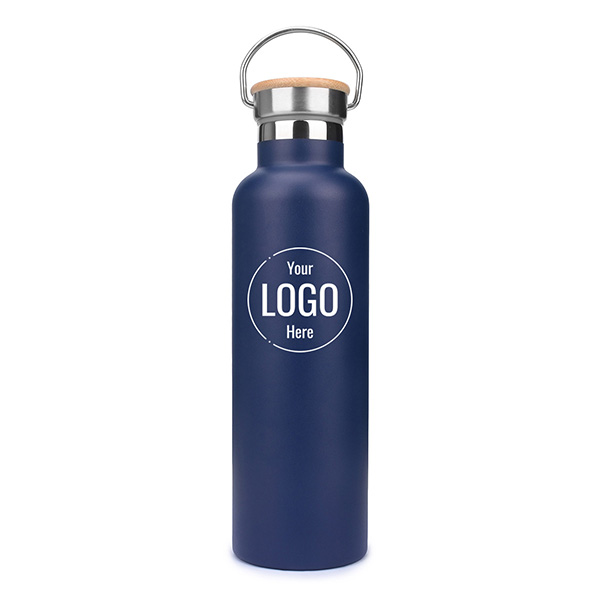
Beyond our exceptional product quality, BulkFlask also offers customization services to meet the individual needs of different clients. We can tailor water bottles of various sizes, styles, and colors based on specific customer requirements, making each one unique and reflective of the customer’s personality and taste.
Insulated stainless steel water bottles are more than just a trend; they represent a shift towards more sustainable and healthy hydration practices. By choosing these thermos bottles, you invest in a product that offers superior temperature retention, environmental benefits, and health advantages to your customers. Embrace the change and make insulated stainless steel water bottles a part of people’s daily routine. For more information, please contact us!